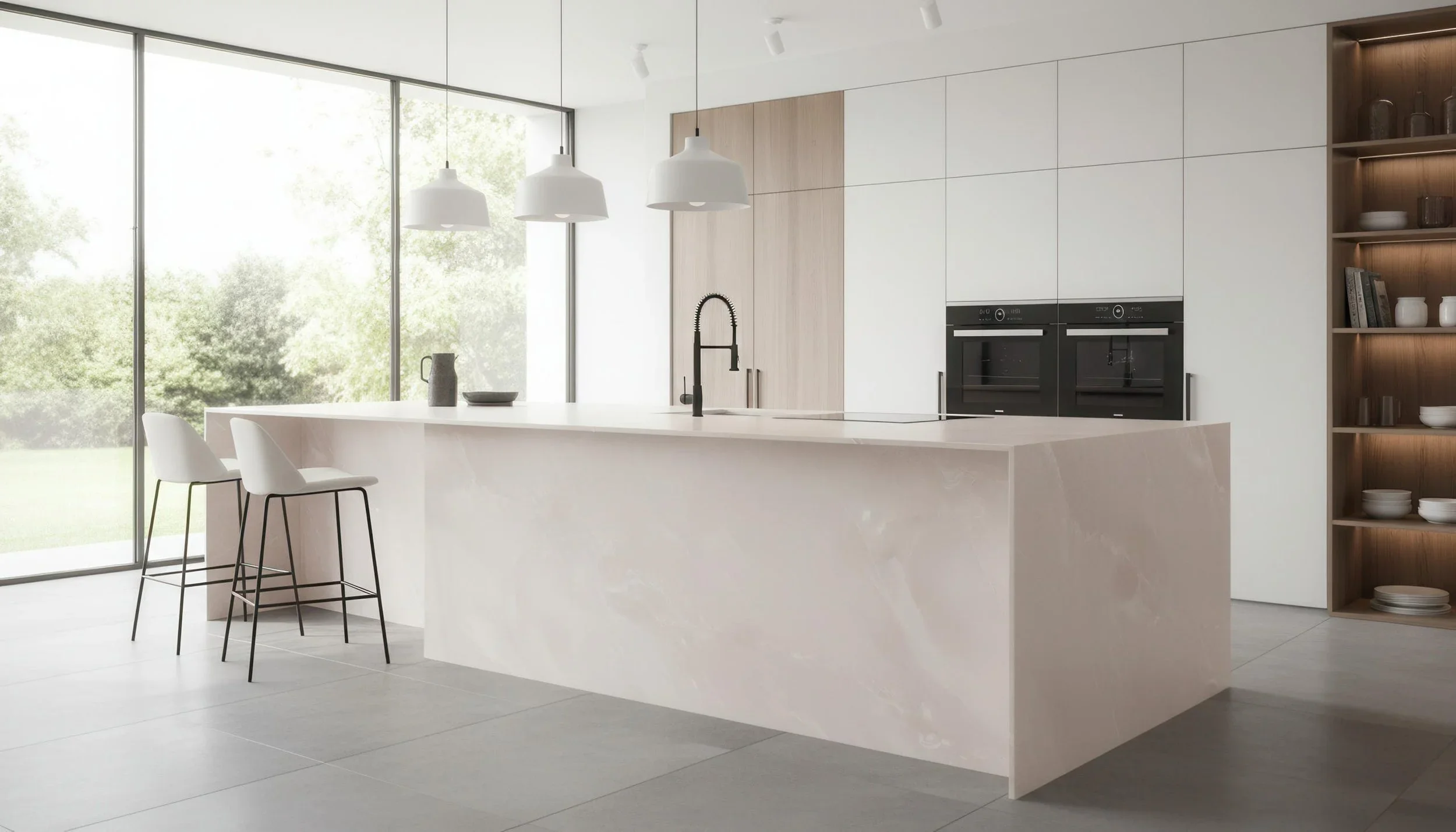
Quiet Luxury: Why Matte & Honed Finishes are Replacing High Gloss in 2026
Is high-gloss becoming a thing of the past? In 2026, the 'Quiet Luxury' movement is taking over the kitchen, replacing reflective surfaces with the organic, tactile feel of Matte and Honed Porcelain. Discover why Toronto’s top designers are choosing 'Visual Silence' to manage lighting glare and create a grounded, sanctuary-like atmosphere. Explore the maintenance realities and aesthetic advantages of the non-reflective revolution.
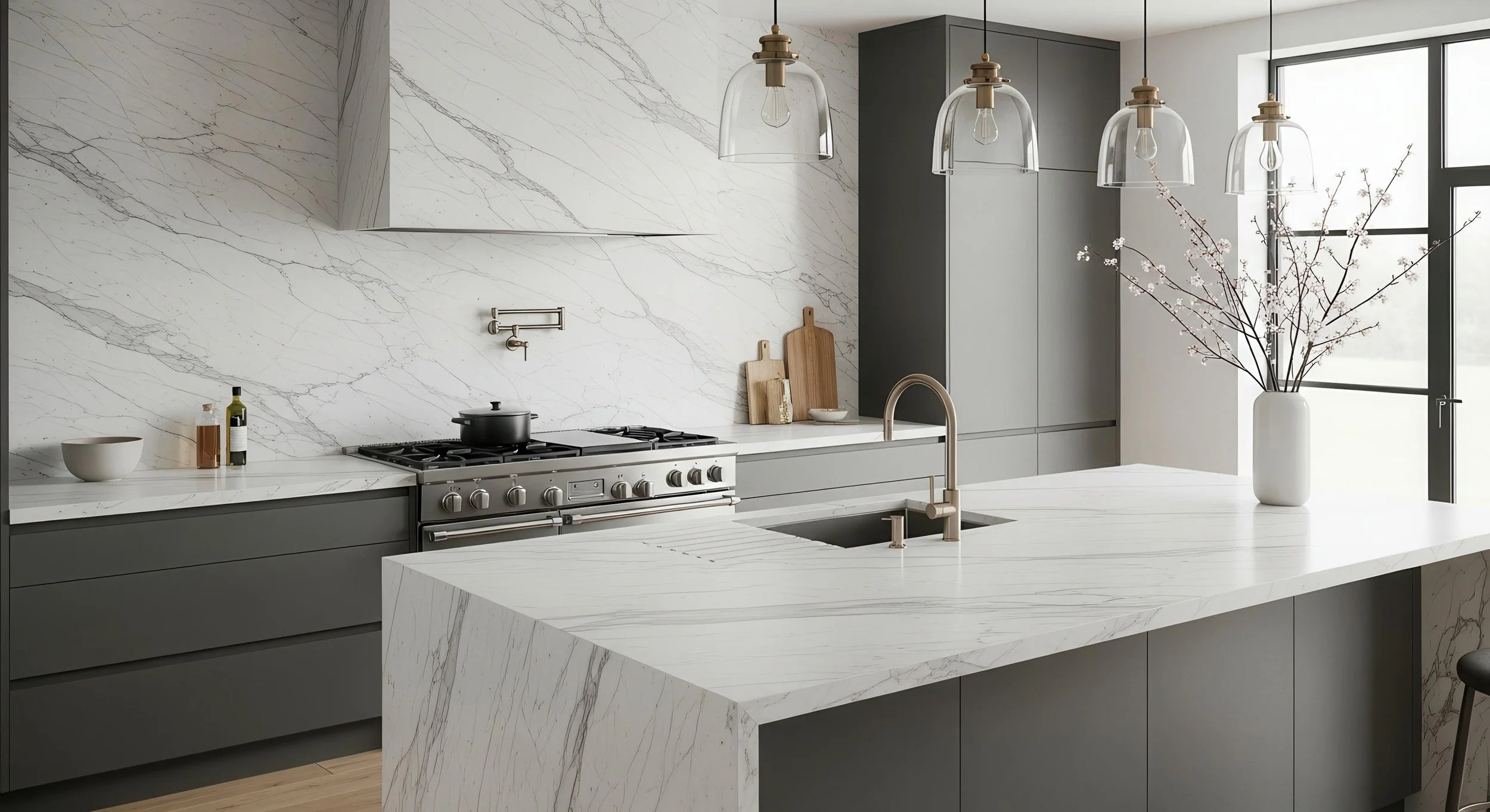
The Art of the Full-Slab Backsplash: Why Continuity is the Ultimate 2026 Kitchen Trend
The kitchen backsplash is evolving from a utility surface into an architectural focal point. In this guide, CIERO INC explores the technical superiority of large-format porcelain slabs over traditional tile. From eliminating microbial growth in grout lines to managing the thermal stress of high-BTU ranges, we break down why the full-height slab is the new standard for luxury developments in the GTA.
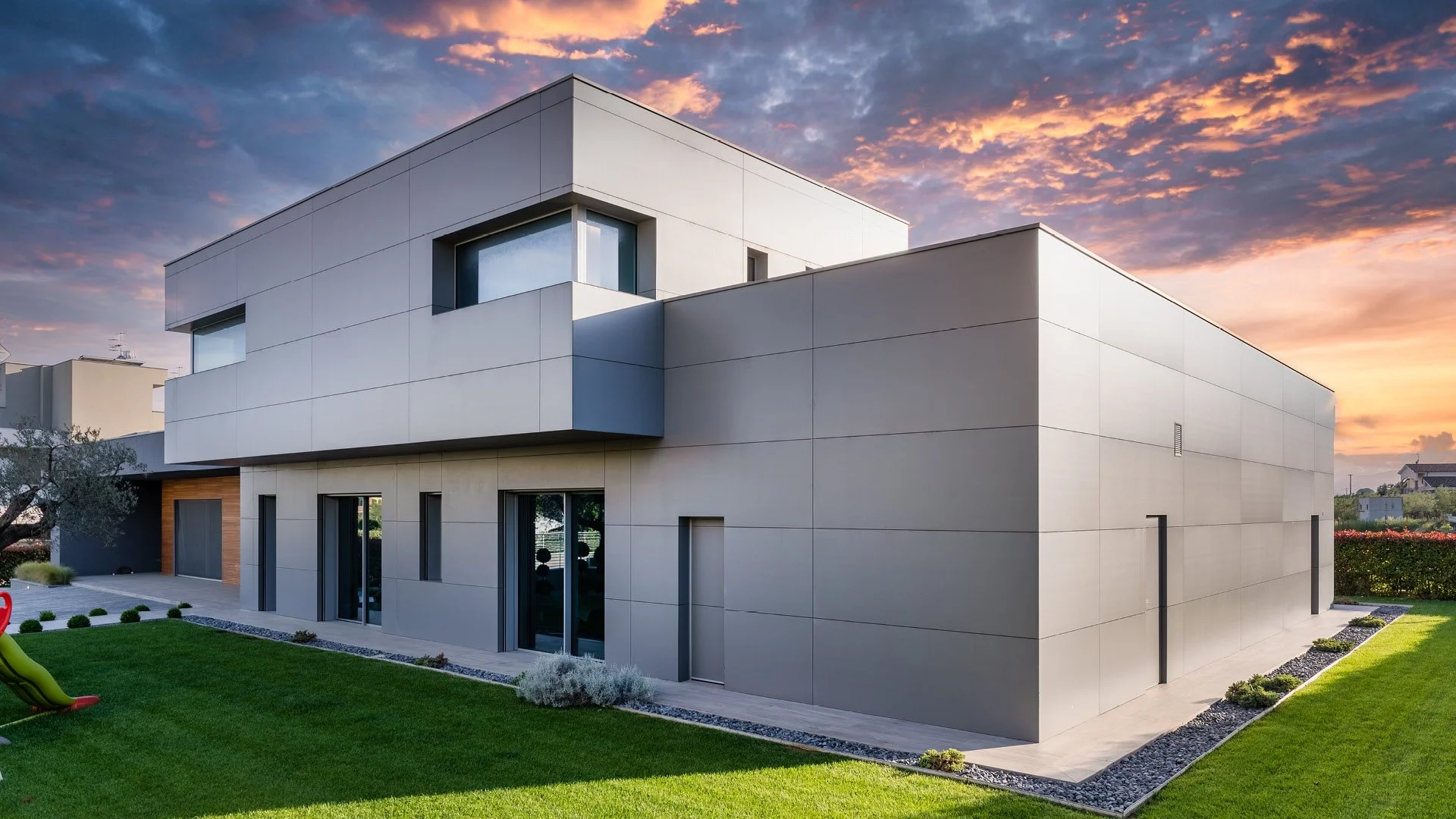
The Comprehensive Guide to Porcelain Slab Cladding: Engineering Interior and Exterior Excellence for Modern Construction
While porcelain has been used in small formats for centuries, the ability to manufacture massive, "gauged" slabs—often reaching dimensions of 1600mm x 3200mm—has opened new doors for the building envelope. These slabs offer a "skin" that can wrap a building's exterior with the strength of stone but the weight of glass, while simultaneously flowing through interior lobbies and high-traffic corridors to create a seamless, monolithic aesthetic.
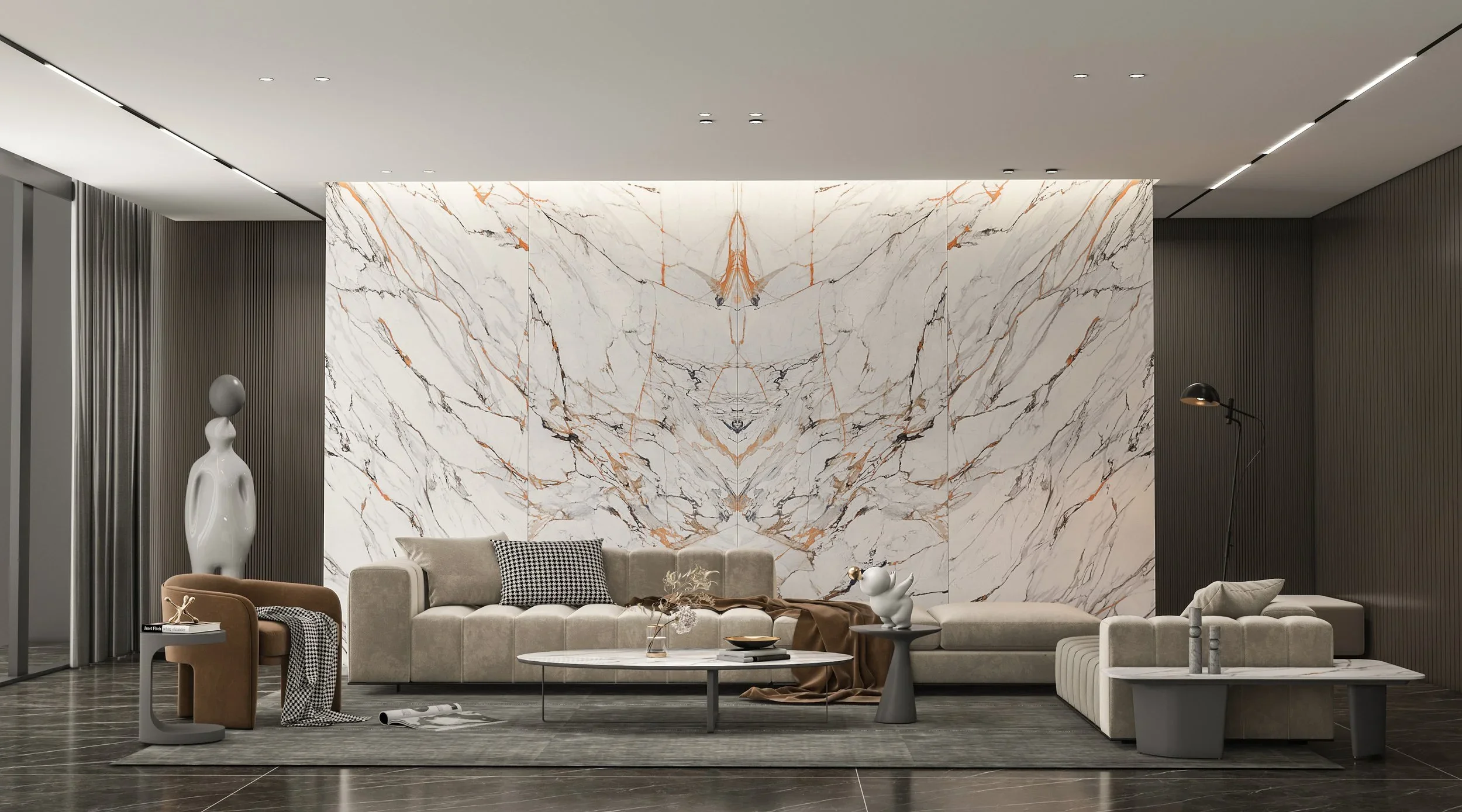
The Guide to Book-Matched Porcelain Slabs: Achieving Seamless Architectural Veining
The ultimate expression of luxury surface design is the book-matched pattern, where two adjacent slabs are mirrored to create stunning, seamless symmetry. Historically reserved for temperamental natural stone, this architectural grandeur is now revolutionized by porcelain slabs. Achieve a flawless, enduring focal point on feature walls, fireplace surrounds, or kitchen countertops, combining breathtaking aesthetics with unmatched durability.
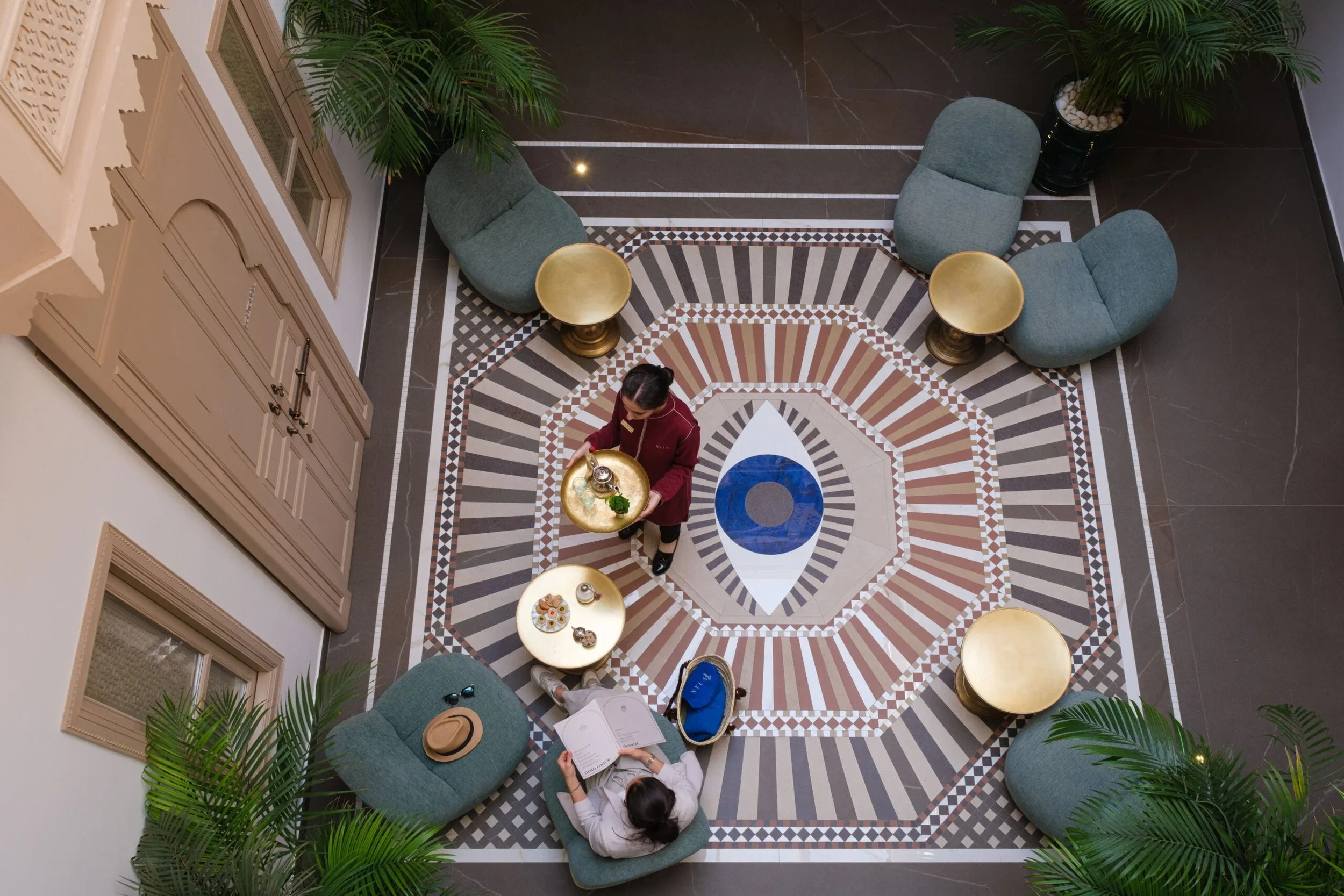
Laminam Porcelain Slabs | Superior Natural Surfaces for Kitchens, Bathrooms & Interiors
Laminam was founded in the early 2000s and has since revolutionized the porcelain slab industry with the introduction of large-format, ultra-thin slabs. Originally conceived as an R&D hub for developing and industrializing innovative ceramic & porcelain products, the company quickly evolved, identifying new applications across both traditional and emerging design sectors. Laminam now has showrooms across the world
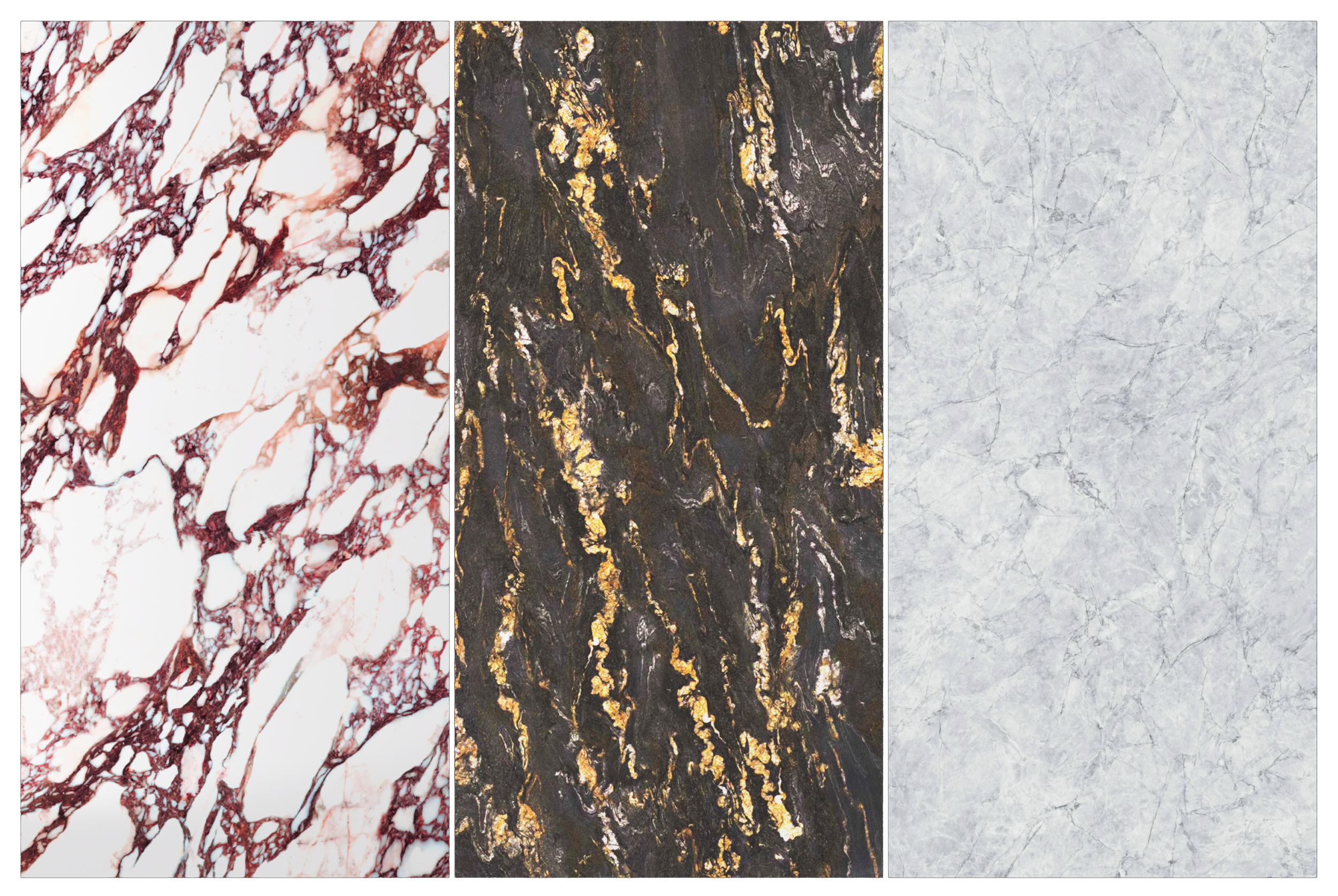
Porcelain Slab Sizes & Thicknesses: Choosing the Right Fit for Every Space
In contemporary architecture, porcelain slabs are more than just a surface material; they are a fundamental component that defines a space's identity. From sleek kitchen countertops to expansive feature walls, porcelain has become a cornerstone of modern design. However, achieving the perfect aesthetic and performance hinges on one critical decision: selecting the correct slab size and thickness for the intended application.
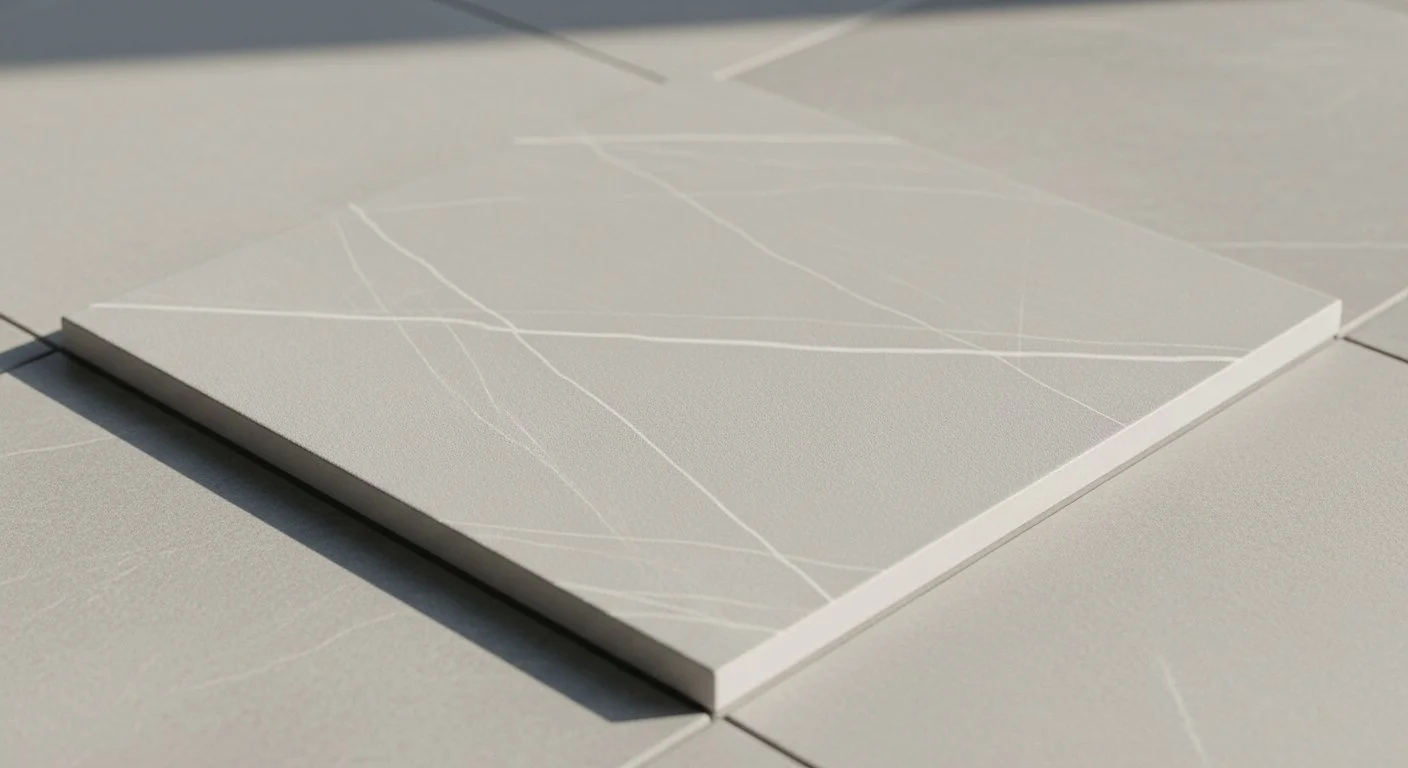
The Evolution of Tile Size: From Small Formats to Seamless Design
Tiles have been essential to design for centuries, but one of the most significant modern transformations is the shift in scale. What began as small, hand-pressed ceramic tiles has evolved into expansive, large-format porcelain surfaces and slabs that cover entire rooms with virtually no visible seams. This dramatic evolution, fueled by technological innovation in mechanical pressing and digital printing, has allowed the industry to produce massive, high-precision tiles up to 10 feet long.
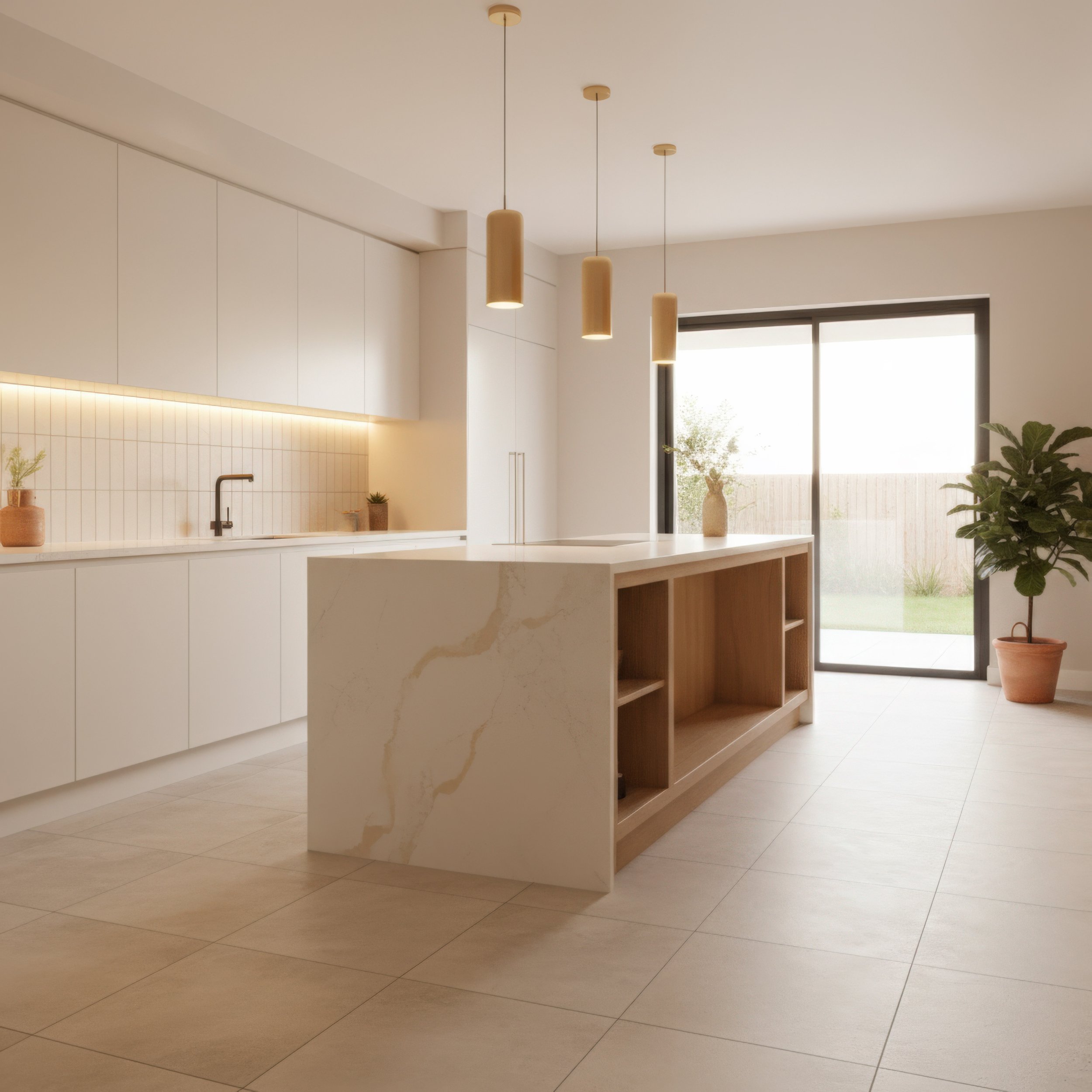
Porcelain Slabs vs Porcelain Tiles: Understanding the Key Differences
Porcelain has become a dominant force in modern design, celebrated for its unique blend of strength, low maintenance, and aesthetic flexibility. The evolution from standard porcelain tiles to massive large-format porcelain slabs has fundamentally changed how designers and homeowners approach surfaces. While both are made from the same durable, vitrified material, the differences between tiles and slabs extend far beyond mere size.

Porcelain vs Ceramic Tiles: Understanding the Key Differences
Choosing between porcelain and ceramic tile is a pivotal decision for any renovation. While both are crafted from natural clay, their distinct manufacturing processes create significant differences in performance and longevity. Understanding these "hidden" layers is the key to ensuring the long-term success of your project.

Porcelain Slab Installation Guide
You will explore industry-leading best practices for cutting, templating, and managing these substantial pieces. We’ll cover professional tips and tricks for achieving near-invisible seams, optimizing substrate preparation, and selecting the correct adhesives. Crucially, we will highlight common pitfalls and troubleshooting methods to anticipate challenges and ensure your project not only meets but exceeds expectations from conceptual design to flawless completion.

Modern Kitchen Countertop & Island Design Ideas
The kitchen countertop serves as more than just a work surface—it’s a design centerpiece and a functional core of your home. From timeless materials like marble to modern, resilient porcelain and eco-friendly options like recycled glass, the ideal countertop combines beauty, practicality, and harmony with your kitchen’s overall aesthetic. This guide explores the best kitchen countertop ideas for 2024, helping you find a solution that suits your lifestyle and design preferences.

The Ultimate Guide to Heat-Resistant Kitchen Countertop Materials
In modern kitchens, where both style and function matter, choosing a heat-resistant countertop material is essential. Whether you're an avid home chef or someone who simply appreciates a well-designed space, countertops that can endure high temperatures without warping, cracking, or discoloring are invaluable. There are several standout materials that offer durability, beauty, and practicality. This guide dives deep into the best heat-resistant countertop materials available, offering insights into their features, pros, cons, and maintenance needs.

The Ultimate Guide to Porcelain Slabs: Elegant, Durable Surfaces for Modern Spaces
Porcelain slabs are ultra-thin, large-format ceramic panels made from refined natural clays, feldspar, silica, and other minerals. These materials are formed into massive sheets—commonly measuring over 3.2 × 1.3 m (126″×63″)—and fired at extremely high temperatures above 1200 °C, achieving vitrification that makes the slabs dense, non-porous, and highly durable . Unlike traditional ceramics, porcelain slabs can mimic marble, concrete, wood, and metallic aesthetics while offering top-tier performance in indoor and outdoor environments.

Porcelain vs Granite, Marble, and Quartz: Choosing the Best Bathroom Countertop Material
When planning a bathroom renovation, your choice of countertop material matters as much as your tiles or fixtures. It needs to look beautiful, resist moisture, and stand up to daily wear. Porcelain, granite, marble, and quartz are all popular options—but not all are equally suited for the unique challenges of bathroom use.

Quartz vs. Porcelain Countertops in Toronto: Which Offers Better Value?
Countertops are more than just functional surfaces—they set the tone for your kitchen or bathroom, influence your home’s resale value, and significantly affect your renovation budget. In Toronto, quartz countertops have long been the popular choice for their clean look, durability, and low maintenance. But with the rising popularity of porcelain slabs, many homeowners are now weighing the pros and cons of each material.
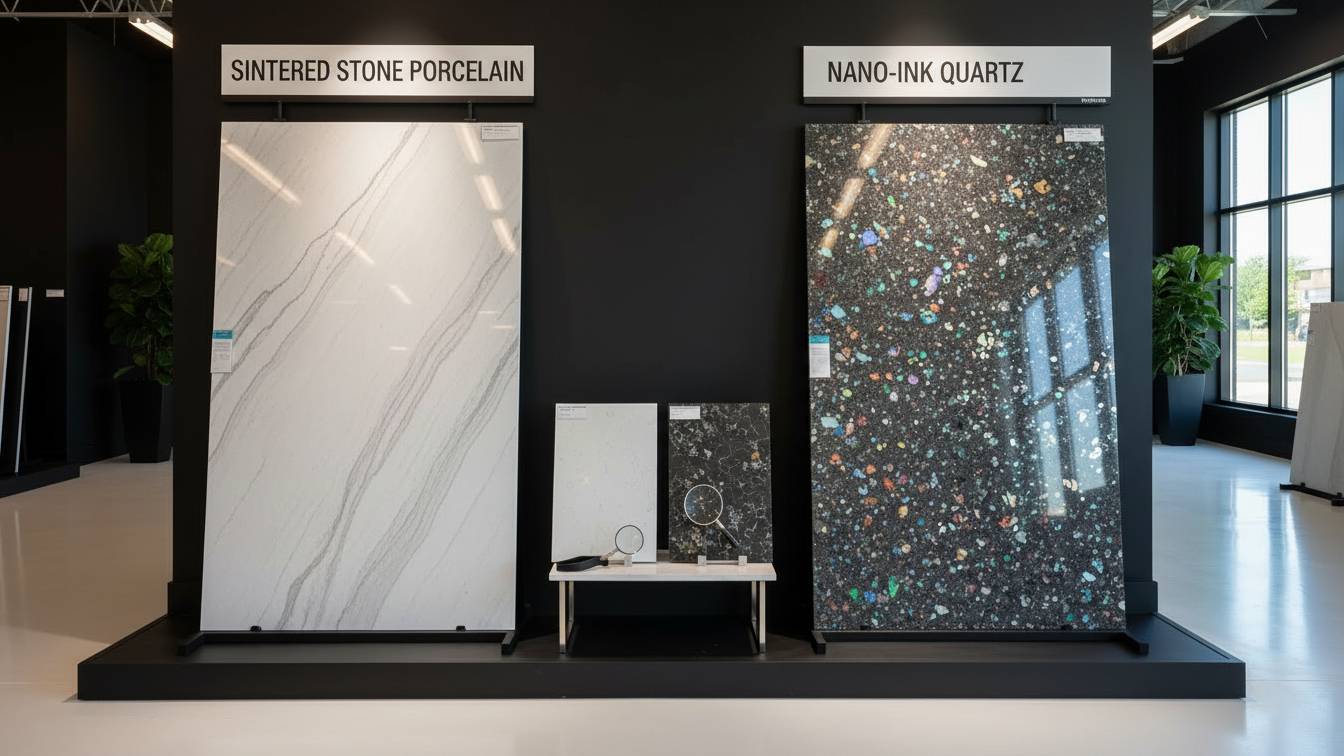
Nano Ink Quartz vs. Porcelain Slabs: A High-End Surface Comparison
The materials chosen for countertops, feature walls, vanities, and surfaces across residential and commercial projects have a profound effect on the overall aesthetic and performance of a space. Among recent advancements in engineered stone, Nano Ink Quartz has garnered attention for its improved visual depth and resistance to surface wear. However, when stacked against the versatility and technical superiority of porcelain slabs, even this newer generation of quartz begins to show its limits.