
The 2026 Laminate Revolution: Why EIR Technology is Changing High-End Design
In 2026, the 'plastic' stigma is officially dead, replaced by a high-tech Renaissance. Discover the EIR (Embossed-in-Register) revolution—a breakthrough in 3D texture mapping that makes modern floors indistinguishable from natural oak. From AC5 scratch-resistance to high-density acoustics, learn why Toronto’s top designers are choosing CIERO’s masterfully engineered laminate for multi-million dollar projects.

The Toronto Radiant Heat Guide: Why Engineered Wood is the Ultimate Choice for GTA Homes
Transform your GTA home into a winter sanctuary. Our comprehensive Toronto Radiant Heat Guide debunks the myth that you can’t have wood floors with in-floor heating. Discover why CIERO’s premium multi-ply engineered hardwood is the superior choice for Vaughan and Toronto’s extreme climate swings, and learn the professional installation secrets that ensure your luxury floors stay stable, warm, and beautiful for decades.

The Difference Between Solid Hardwood, Engineered Wood, Laminate, and Vinyl Flooring: A Builder’s Complete Material Guide
Choosing the right flooring material goes far beyond appearance. Solid hardwood, engineered wood, laminate, and vinyl flooring each perform differently depending on moisture, subfloor conditions, installation method, and long-term use. Understanding these differences is essential for builders, designers, and homeowners looking to make informed decisions that balance durability, aesthetics, and performance.
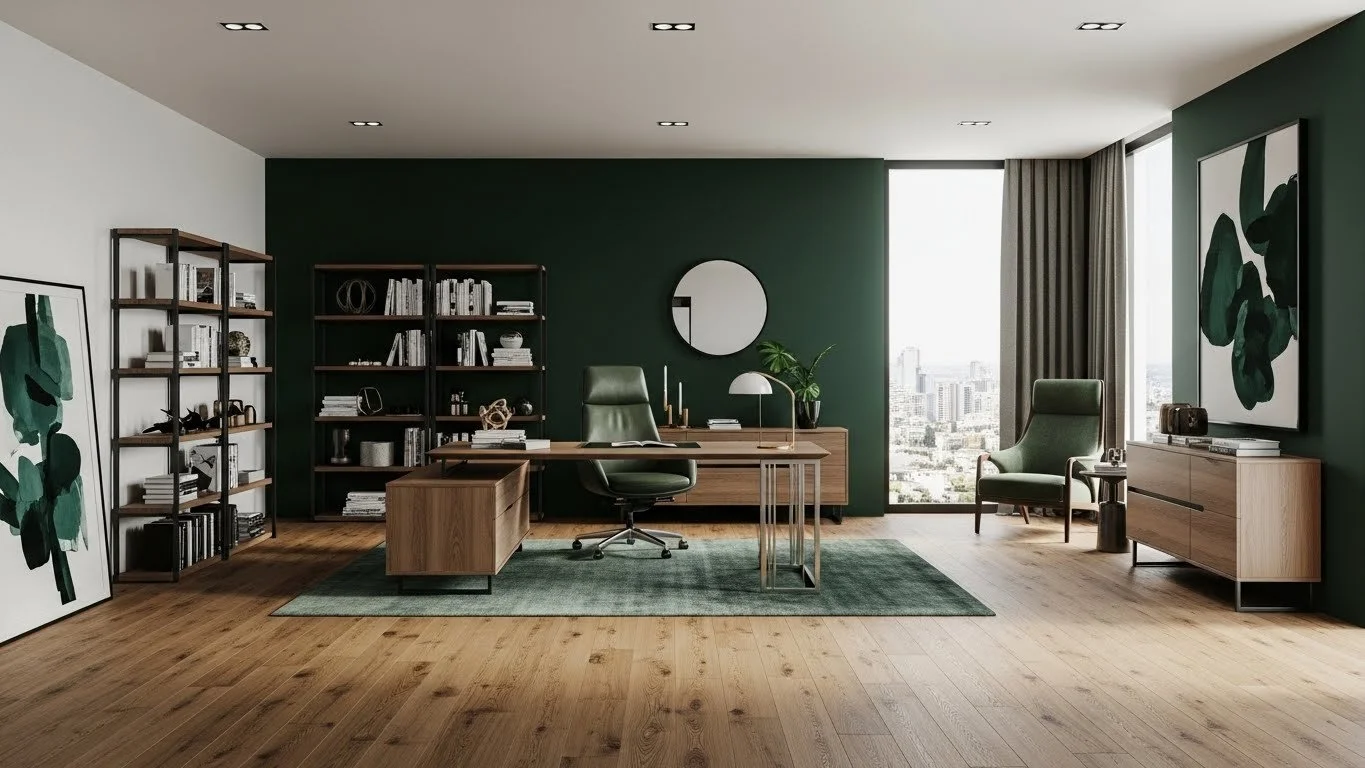
Radiant Heat & Hardwood: Best Practices for Installing Engineered Wood Over Hydronic Systems
The warmth of radiant floor heating paired with the beauty of hardwood is the peak of residential luxury. However, this combination is a technical challenge: concentrated heat accelerates wood movement, leading to warping and cracking if protocols are ignored. Success is only possible with engineered hardwood and absolute precision. Our definitive guide details the strict procedures necessary for a flawless, stable floor.
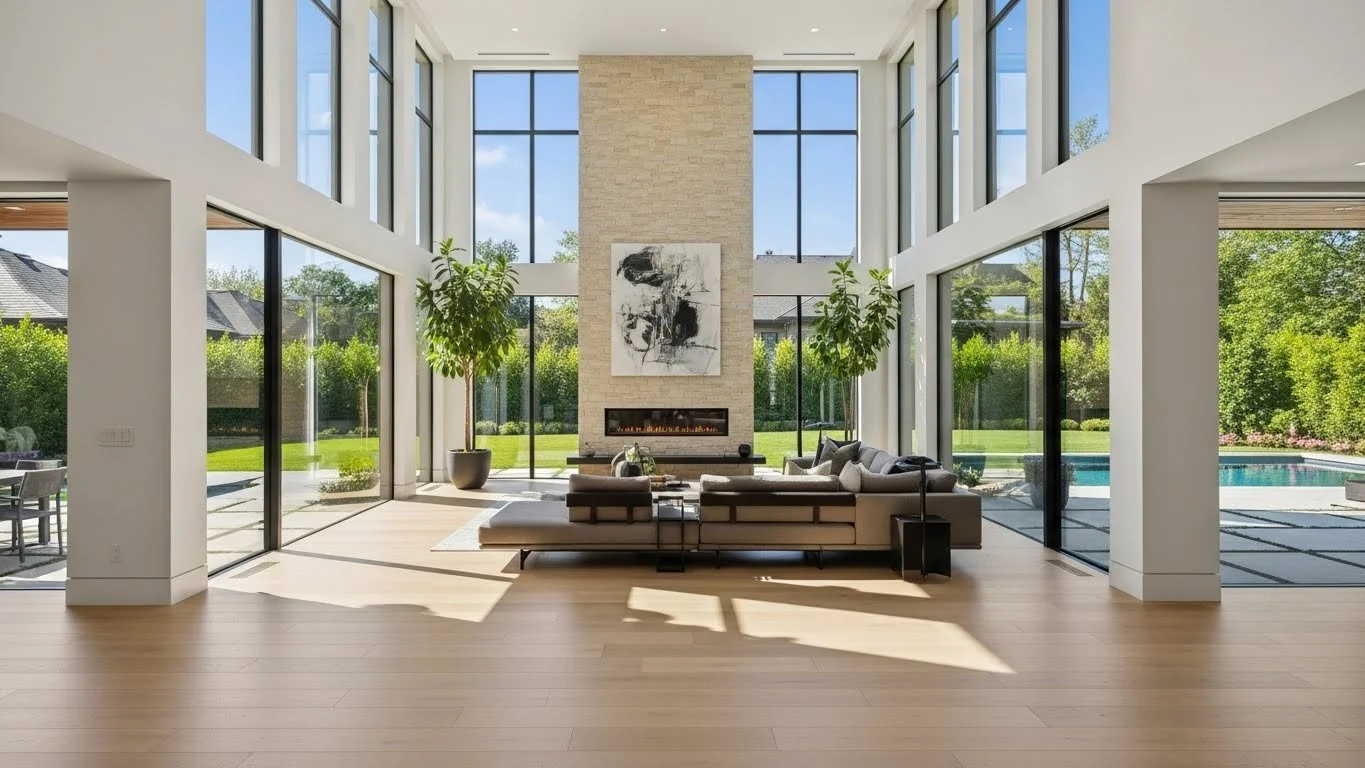
The Janka Hardness Scale Explained: Choosing the Right Wood Species for Durability and Dent Resistance
For architects, builders, and homeowners alike, understanding the Janka scale is the difference between a temporary aesthetic choice and a lifetime investment. Don't choose a floor based on color alone; choose a floor that is structurally matched to your life. Dive into our full guide to learn how to translate this essential number into the perfect, dent-resistant floor for every room in your home.
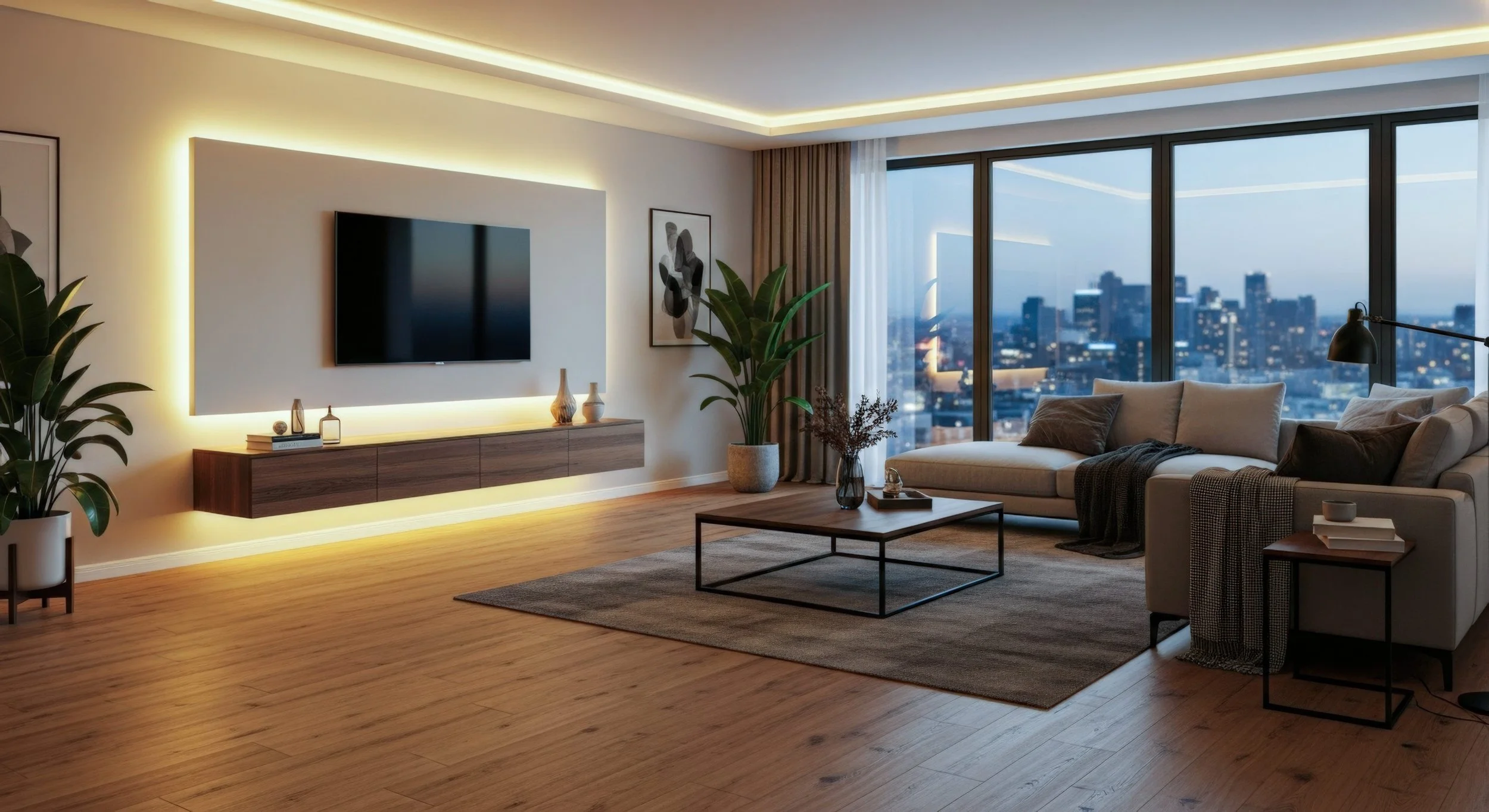
Using Flooring Textures to Affect Lighting and Mood
The finish of a porcelain tile or the grain of a wood plank dramatically alters how light interacts with the room, defining its visual and emotional mood. Every material either reflects or absorbs light. A polished or glossy porcelain finish mirrors light, amplifying brightness and making a room feel more open and energized . Conversely, matte or textured surfaces, like structured porcelain or wire-brushed wood, diffuse light, creating soft shadows, warmth, and a cozier, more intimate environment.
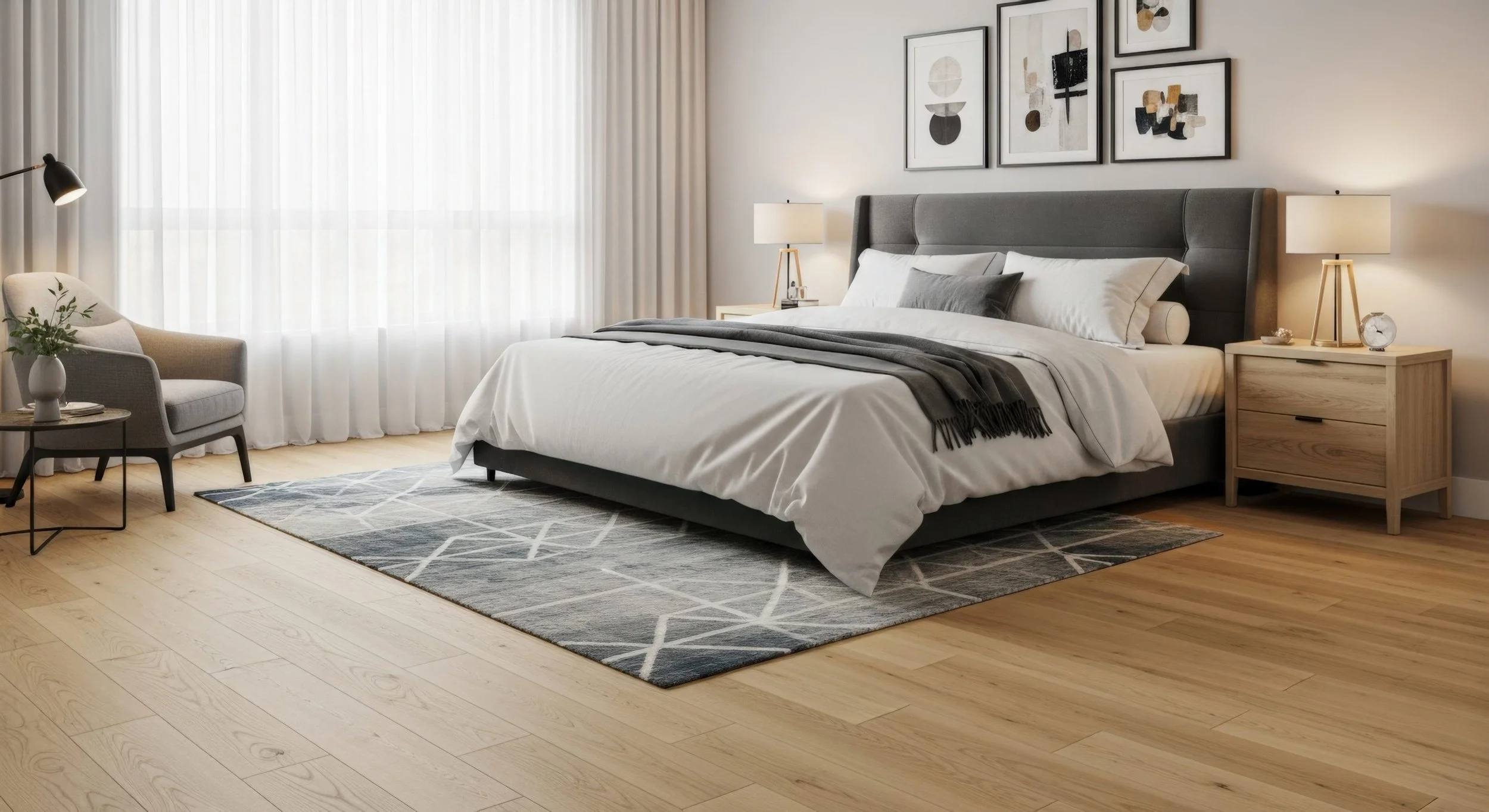
Engineered vs. Solid Hardwood: What’s the Real Difference?
Hardwood flooring offers unmatched warmth and sophistication, but designers must choose between the traditional Solid Hardwood and the modern Engineered Hardwood. Solid planks are single pieces of timber, providing exceptional longevity and the potential for multiple refinishes over a century. However, they are sensitive to moisture and limited in where they can be installed. Engineered hardwood solves this with a real wood veneer bonded to highly stable, cross-laminated layers.

The Hidden Hero Beneath Your Floors: Why Proper Underlayment Installation Matters for Wood Flooring
When planning a flooring project, most homeowners and designers naturally focus on the surface—what you see, feel, and walk on. The wood grain, the stain, the sheen, and the color palette all contribute to a room’s aesthetic. But beneath every well-installed wood floor lies a crucial yet often overlooked component: the underlayment.
Wood Flooring: The Most Frequently Asked Questions - Part 1
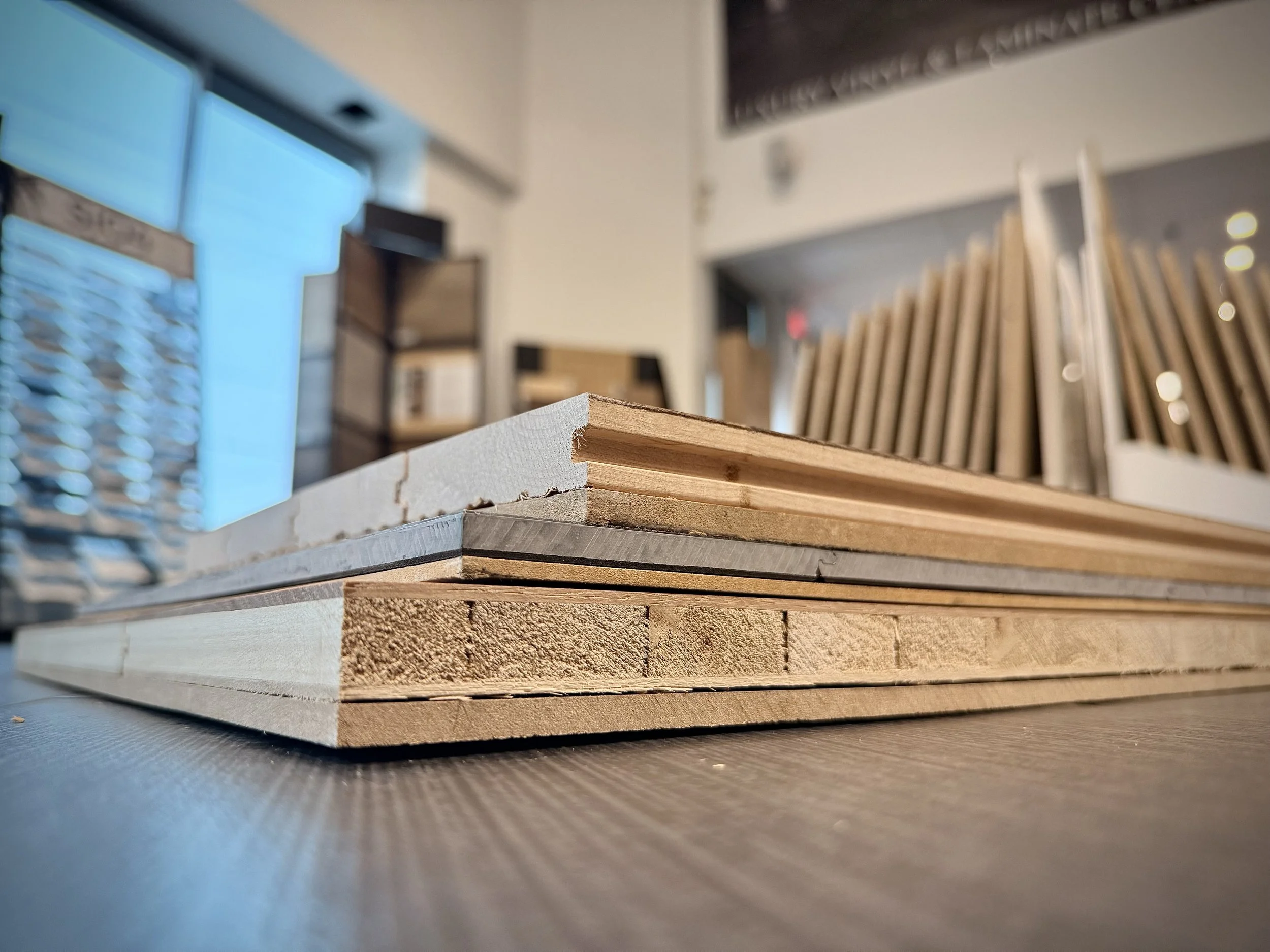
Whether you are embarking on a full-scale renovation or simply upgrading a single room, choosing the right flooring is one of the most significant investments you will make for your home. However, with an overwhelming array of materials, finishes, and installation methods available, it is easy to feel lost in the details. From the timeless appeal of solid hardwood to the modern resilience of waterproof vinyl plank, each option brings its own set of advantages and technical requirements.
How to Pick Flooring Color to Match Wall and Trim Tones
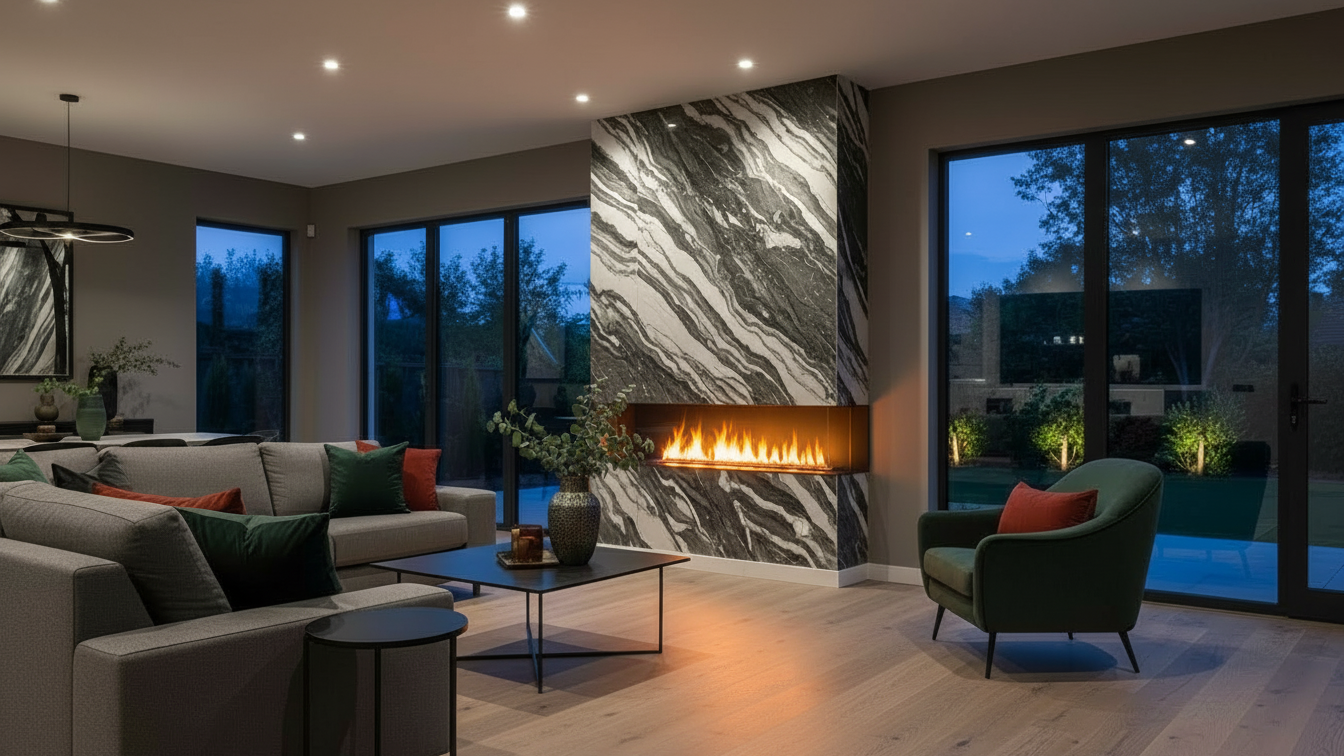
Designing a truly cohesive interior is more than a series of isolated choices—it is a study in harmony and intentional material relationships. While many homeowners focus on a single favorite element, such as a striking piece of furniture or an exotic material, the most successful and enduring spaces rely on the subtle, yet powerful, relationship between three key components: floor color, wall tone, and trim finish.

What Is Engineered Wood and How It’s Made
While modern flooring innovations like engineered wood are designed for superior stability, featuring cross-layer construction to resist warping, their long-term performance still hinges on a critical hidden element: the underlayment. Even the most advanced flooring material requires a protective layer beneath it. Proper underlayment installation acts as the essential barrier, minimizing noise, mitigating minor subfloor imperfections, and providing critical moisture protection that ensures even the most durable wood flooring, whether solid or engineered, remains a "hidden hero" for decades to come.

What Type of Flooring Adds the Most Value to a Home Flipping Project?
When flipping a property, every decision matters—but few carry as much weight as flooring. A well-chosen floor doesn’t just make a home look more appealing; it can significantly increase resale value and help a listing stand out in a competitive market. Whether you’re updating a fixer-upper or modernizing an older space, selecting the right flooring is essential for maximizing your return on investment.

Four-Season Flooring: The Best Choices for Your Cottage Retreat
When it comes to outfitting your cottage with the perfect flooring, there’s more at stake than just picking something pretty. Cottages, especially those used year-round, endure intense seasonal shifts—from hot, humid summers to cold, dry winters. That means your flooring must do more than look good—it has to perform well under extreme conditions, offer comfort, and require minimal maintenance, even in fluctuating humidity and temperatures.

DIY vs. Professional Wood Flooring Installation: What’s Right for You?
When planning a new flooring project, one of the most important decisions you’ll face is whether to handle the installation yourself or hire a professional. While cost savings can make the DIY route appealing, factors such as material type, installation complexity, and your own skill level should heavily influence your choice. Making the right call can mean the difference between a flawless finish and a frustrating, expensive do-over.

Why European Wood Flooring Is a Top Choice for Modern Homes
European wood flooring has long been admired in high-end interior design magazines, known for its clean lines, elegant tones, and timeless sophistication. But this design trend isn’t just reserved for showrooms—homeowners across North America are now choosing European-style hardwood flooring to bring luxury and refinement into their living spaces. So what makes European flooring so popular? Here are six standout benefits of choosing European wood flooring for your home.

Expert Flooring Installation in Toronto: How To Choose The Right Installer For Your New Floors
Choosing to install new flooring is a big decision that can dramatically enhance the look, feel, and value of your home or commercial space. Whether you’re remodeling a single room or giving your entire property a fresh new look, the flooring you select—and more importantly, who installs it—can make all the difference.